


Schlotzsky's Deli
4.63.58K Reviews
App Specs
- Version
- 5.11
- Updated On
- License
- Free
- Downloads
- 500,000+
- Developer
- Schlotzsky's
- Categories
- Food & Drink
- Platform
- Android, iOS
Screenshots

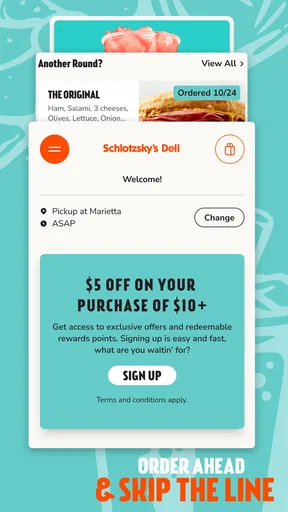
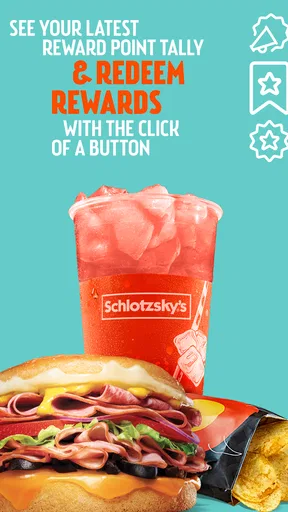
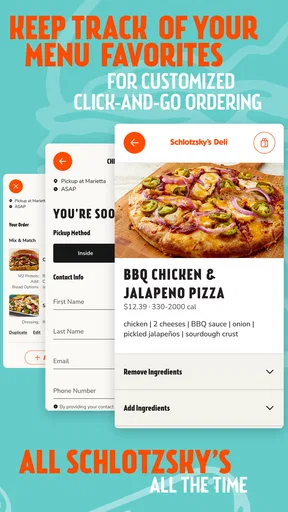
 Analysis by AppCompare
I found Schlotzsky's Deli most useful as a practical companion for people who already eat at Schlotzsky's and want an easier way to stay connected with the restaurant. It is a free Food & Drink app from Schlotzsky's, and its central idea is straightforward: keep restaurant access and rewards close at hand instead of making every visit start from scratch.
My overall view is positive, but it depends on how often you use the chain. If Schlotzsky's is part of your normal lunch rotation, the app can make repeat visits feel more organized. If you only stop by occasionally, its value is less obvious because a restaurant-specific app naturally has a narrower purpose than a general delivery or dining app.
What the app is really good at
The strongest part of the experience is the connection between the customer and the restaurant. The app is designed to let guests connect from wherever they are and earn rewards, which gives it a more useful role than a simple digital menu. I see it as a lightweight account-and-visit tool: something to check before ordering, use during a planned stop, and revisit when I want to keep track of the benefits attached to my Schlotzsky's visits.
That focus matters. Many food apps try to cover too many restaurants, delivery options, promotions, and payment flows at once. A dedicated app can be easier to understand because the choices are centered on one familiar brand. I do not have to sort through unrelated restaurants or wonder whether a reward belongs to the right chain. For a regular customer, that narrower scope can be a strength rather than a weakness.
The reward angle is also more meaningful when it becomes part of a routine. For example, imagine ordering lunch from Schlotzsky's during a busy workweek. Instead of treating the visit as a one-off purchase, I can use the app as the starting point for the interaction and keep the reward process tied to the same place. That is a small change, but repeated small changes are where a restaurant app earns its space on a phone.
The best reason to install it is consistency, not novelty. It is not trying to replace every food service on a device. It is useful because it keeps Schlotzsky's-specific access and rewards in one place, which is convenient when the restaurant is already part of my eating habits.
A better fit for planned visits than spontaneous browsing
I think the app works best when I already know I want Schlotzsky's. Before leaving for lunch, I can open the app and use it as the digital starting point for that visit rather than searching through a general restaurant platform. This reduces the mental step between deciding what I want and engaging with the restaurant.
Worth Reading Before You Choose

EA SPORTS FC Mobile 26 Is a Bigger Football Game, but It Takes Time

Flipboard Shows What News Apps Must Do Beyond the Feed

Switching to Android Auto Means Rethinking Your Driving Routine

Google Calendar Makes a Crowded Week Easier to Manage

Ludo King Makes the Most of the Minutes Between Plans

Baby Panda World Brings Quick Play to Modern Phones, but Its Game Library Feels Busy
That makes it particularly suitable for repeat orders, office lunches, family routines, and road trips where Schlotzsky's is already the intended stop. Someone who visits several times in a month is more likely to notice the benefit of having rewards and restaurant access together. The convenience is cumulative: one visit may feel ordinary, while a series of visits makes the dedicated app more worthwhile.
There is also a useful distinction between a restaurant app and a delivery marketplace. A marketplace is better when I am undecided and want to compare many restaurants in one screen. Schlotzsky's Deli is better when the decision has already been made and I want a direct relationship with this particular restaurant. Neither approach is universally superior; they solve different problems.
Rewards are more useful when treated as a routine
My practical advice is to use the app before placing an order or making a restaurant visit, rather than remembering it only afterward. That habit helps keep the reward side of the experience connected to the purchase. It also makes the app feel less like an extra promotional channel and more like a normal part of ordering from Schlotzsky's.
I would also make a point of checking the app before a planned visit, especially if I have not opened it recently. Restaurant apps can change their available options or present account-related information differently after updates. A quick check at home is less frustrating than trying to work everything out while standing in line or coordinating lunch for several people.
For group orders, the app is most helpful as the organizer's tool rather than as a shared ordering space for everyone. One person can use it to prepare for the restaurant visit while collecting choices from coworkers or family separately. That workflow avoids passing one phone around and keeps the app's role clear: it supports the Schlotzsky's part of the plan, while the group decides what it wants through conversation.
What the public response suggests
The app has an average rating of 4.6 from around 17 thousand ratings, with roughly 3.6 thousand written reviews. I do not treat a rating as proof that every screen will work perfectly for every person, but that level of response suggests the app is meeting a real need for many customers rather than being ignored after installation.
Its reach is also substantial, with over 500 thousand installs. That is relevant because a restaurant app needs an active customer base to justify keeping it installed. The audience is not limited to a handful of enthusiasts; enough people have chosen to try it that the app has become a recognizable digital extension of the Schlotzsky's experience.
Still, ratings should be read in context. A customer who already likes Schlotzsky's may judge the app mainly by whether it makes visits easier, while someone expecting a full-service delivery platform may judge it against a completely different standard. I would use the positive response as encouragement to try it, not as a reason to expect every possible restaurant feature.
Where the experience can feel limited
The biggest limitation is the app's narrow usefulness. It is built around one restaurant brand, so its value drops sharply if Schlotzsky's is not somewhere I visit with reasonable regularity. A general food app may be a better choice for someone who wants broad restaurant discovery, side-by-side comparisons, or one place to manage many dining options.
This is not a flaw in the basic idea, but it is an important trade-off. Installing a separate app for every restaurant I occasionally visit can create clutter and make it harder to remember where rewards or account details are stored. I would keep this one if Schlotzsky's is a recurring choice; I would skip it if I am only visiting once during a trip and have no reason to return.
Another point of friction is that a dedicated restaurant app adds one more step to the food routine. I need to open it, maintain the account relationship, and remember to use it at the right moment. For a regular customer, that effort can be justified by the rewards and direct access. For an infrequent customer, the same steps may feel like unnecessary administration compared with simply ordering in person.
The app is also not the right answer for every kind of dining decision. If I am comparing menus across several chains, looking for the fastest available delivery, or trying to find something based on dietary preferences across an entire area, a broader service will usually be more efficient. Schlotzsky's Deli makes the most sense after the brand has already won the decision.
Compatibility and everyday practicality
The current version is 5.11, and it requires iOS 11 or later. That makes the app accessible on a wide range of supported Apple devices, although anyone using an older operating system should check compatibility before planning around it. The age rating is Everyone, so the app is presented as suitable for general audiences rather than restricted to adults.
The fact that it is free removes the main financial barrier to trying it. I can install it, see whether it fits my routine, and remove it if I decide that occasional visits do not justify another restaurant app. That is a better proposition than paying simply to access the basic experience, especially for customers who are still deciding how often they will use it.
Because the developer is Schlotzsky's, the app feels like a direct brand tool rather than an independent restaurant directory. That can be reassuring when I want the restaurant's own channel, but it also reinforces the app's limited scope. I would not install it expecting it to become my central food-ordering hub; I would install it for a specific Schlotzsky's habit.
Small habits that make it more worthwhile
I would begin by installing it before a planned Schlotzsky's visit, not while trying to solve a rushed lunch. That gives me time to sign in, understand the reward flow, and make sure the app is ready when I need it. The most useful restaurant apps are the ones prepared in advance, because their convenience disappears if setup becomes part of the busiest moment of the day.
I would also use one account consistently. Rewards only become easy to follow when visits are connected to the same customer identity. Switching between accounts, devices, or informal workarounds can make a simple benefit harder to manage. This is a general practical lesson, but it matters especially here because the app's main differentiator is the ongoing relationship with the restaurant.
For families, I would decide in advance who is responsible for the app during a visit. One person can handle the account and reward side while everyone else chooses food normally. That avoids turning a quick meal into a debate about whose phone should be used and makes the app less intrusive for people who do not want to install it themselves.
For office lunches, the app works best when the organizer separates two tasks: gathering the order and handling the restaurant interaction. I would collect coworkers' choices in the usual way, then use the app as the Schlotzsky's-specific step. This is more reliable than expecting every colleague to create an account or learn the app for a single shared meal.
Who should use it and who should skip it
I would recommend Schlotzsky's Deli to regular customers, people who want to earn rewards from repeat visits, and anyone who prefers dealing directly with a restaurant rather than through a broad marketplace. It is especially sensible for someone whose lunch routine already includes Schlotzsky's and who wants a simple digital connection to that routine.
It is also a reasonable choice for people who dislike searching through large delivery platforms when they already know what they want. The dedicated format keeps the experience focused. If my destination is Schlotzsky's, I would rather open a purpose-built app than browse a long list of unrelated restaurants.
I would skip it if I rarely visit the chain, if my phone storage is tightly managed, or if I am looking for one universal food app. I would also choose a broader alternative when restaurant discovery matters more than loyalty to one brand. In that situation, the dedicated rewards relationship is less valuable than having many restaurants and ordering methods together.
People who prefer ordering entirely in person may not gain much from installing it. The app is not necessary for someone who does not care about digital restaurant access or rewards. Its value comes from combining those conveniences with repeat use, so there is no reason to force it into a routine that does not need it.
My final assessment
After looking at the app as a daily food tool rather than merely a restaurant download, I see a clear and limited purpose. Schlotzsky's Deli is strongest when I already choose Schlotzsky's and want rewards and restaurant access connected in one place. It is weaker as a general food solution, because it does not address the wider discovery and comparison needs that make marketplace apps attractive.
The free price makes experimentation easy, the Everyone rating keeps its intended audience broad, and the current 5.11 release shows that the app remains an active part of the brand's digital offering. Its rating of 4.6 and install base of over 500 thousand also make it a credible option for customers wondering whether it is worth trying.
My recommendation is simple: install it if Schlotzsky's is a repeat stop, then build it into the beginning of your ordering routine. If you visit only once in a while or want one app for every restaurant, use a broader service instead. For loyal Schlotzsky's customers, this is a focused convenience tool; for everyone else, it may be more app than they need.
Pros
- Easy ordering for pickup or delivery through the mobile app.
- Menu includes sandwiches
- pizzas
- salads
- soups
- and catering options.
- Saved favorites make repeat orders faster.
- Store locator helps find nearby Schlotzsky’s locations.
- Frequent promotions can make combo meals more affordable.
Cons
- Delivery availability and fees vary significantly by location.
- Some menu items may be unavailable during busy periods.
- Customization options can differ between restaurants.
- The app may require location access to show nearby stores.
- Nutritional information may not cover every customization.
FAQs for Schlotzsky's Deli
What is the Schlotzsky’s Deli app used for?
The Schlotzsky’s Deli app is designed to make ordering from participating restaurants more convenient. Depending on your location, you can browse the menu, customize sandwiches and other items, place pickup or delivery orders, save favorite choices, and review available promotions. Features may vary by restaurant, so it is worth checking whether your local Schlotzsky’s supports all ordering and account options before downloading.
Can I order Schlotzsky’s food for pickup or delivery through the app?
In supported locations, the app allows customers to place orders for pickup and, in some areas, delivery. You usually select a nearby restaurant first, then choose an available service, review the estimated preparation time, and customize your meal before paying. Delivery availability, fees, minimum order requirements, and delivery times can differ significantly depending on your address and the participating location.
Does the Schlotzsky’s Deli app offer rewards, coupons, or special deals?
The app may provide access to a loyalty program, digital rewards, promotional offers, or location-specific discounts. Some benefits require you to create an account and remain signed in when placing an order. Promotions can include expiration dates, exclusions, minimum purchase requirements, or restrictions on combining offers. Always read the terms shown in the app before assuming a coupon applies to your order.
Can I customize menu items and check allergen or nutrition information?
Schlotzsky’s menu items can generally be adjusted by selecting available ingredients, removing toppings, or adding certain extras, although customization options may vary by restaurant. The app may also display nutrition and allergen information for some products. Because recipes, preparation areas, and ingredient handling can change, customers with serious allergies should confirm details directly with the restaurant rather than relying only on the app.
Is the Schlotzsky’s Deli app available at every restaurant and on all devices?
The app is intended for customers using compatible Android or iOS devices, but its features are not necessarily identical everywhere. Some restaurants may not support mobile ordering, delivery, rewards, or every payment method. Availability can also depend on your region, device compatibility, and the current app version. Before downloading, check the official store listing and confirm that your local Schlotzsky’s appears in the restaurant locator.


